
Written by Hanana, with photo notes from Hanakiki
Hi, I’m Hanana! Kanazawa, on the Sea of Japan coast, is a city of samurai houses, geisha districts, and one of the most beautiful gardens in Japan. In winter, the garden’s pine trees wear yukitsuri, cone-shaped “snow ropes,” and the city’s market fills with crab and fresh seafood. It’s a feast for the eyes and the table.
At a glance
- Where: Kenrokuen Garden and Omicho Market, Kanazawa, Ishikawa Prefecture
- When: Snow ropes go up in November and stay through winter; crab season starts in November
- Access: About 2.5 to 3 hours from Tokyo by Hokuriku Shinkansen to Kanazawa Station
What to eat & try
Winter crab
In November, crab fishing opens on the Sea of Japan coast, and Kanazawa’s winter food season begins. Snow crab caught in Ishikawa is known as Kano-gani, and the smaller female crab is called kobako-gani, with orange roe inside. Many locals look forward to it every year. Kobako-gani has a very short season, usually only from early November to late December, while male Kano-gani is available until around March.
- Try it: Restaurants serve crab boiled, grilled, or in hot pots. Staff can show you how to take out the meat with a special fork.
Kaisendon at Omicho Market
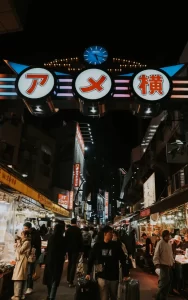
Omicho Market has been Kanazawa’s kitchen for about 300 years. Its narrow lanes are full of fish shops, vegetable stalls, and small restaurants serving kaisendon, a bowl of rice topped with fresh sashimi. In winter, look for bowls with crab, sweet shrimp, and yellowtail.
Things to try
- Gold leaf experience: Kanazawa produces almost all of Japan’s gold leaf. At workshops, you can decorate a small chopstick set or plate with gold leaf.
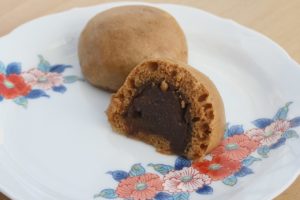
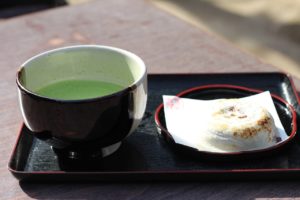
- Tea in the garden: Kenrokuen has a tea house where you can enjoy matcha and a Japanese sweet while looking at the garden.
What to see
Kenrokuen and the yukitsuri
Kenrokuen is one of the “Three Great Gardens of Japan.” It was developed over nearly 200 years by the lords of the Kaga domain. To protect the branches of old pine trees from heavy, wet snow, gardeners tie ropes from a tall pole at the center of each tree, forming a cone shape. This yukitsuri is a symbol of winter in Kanazawa.
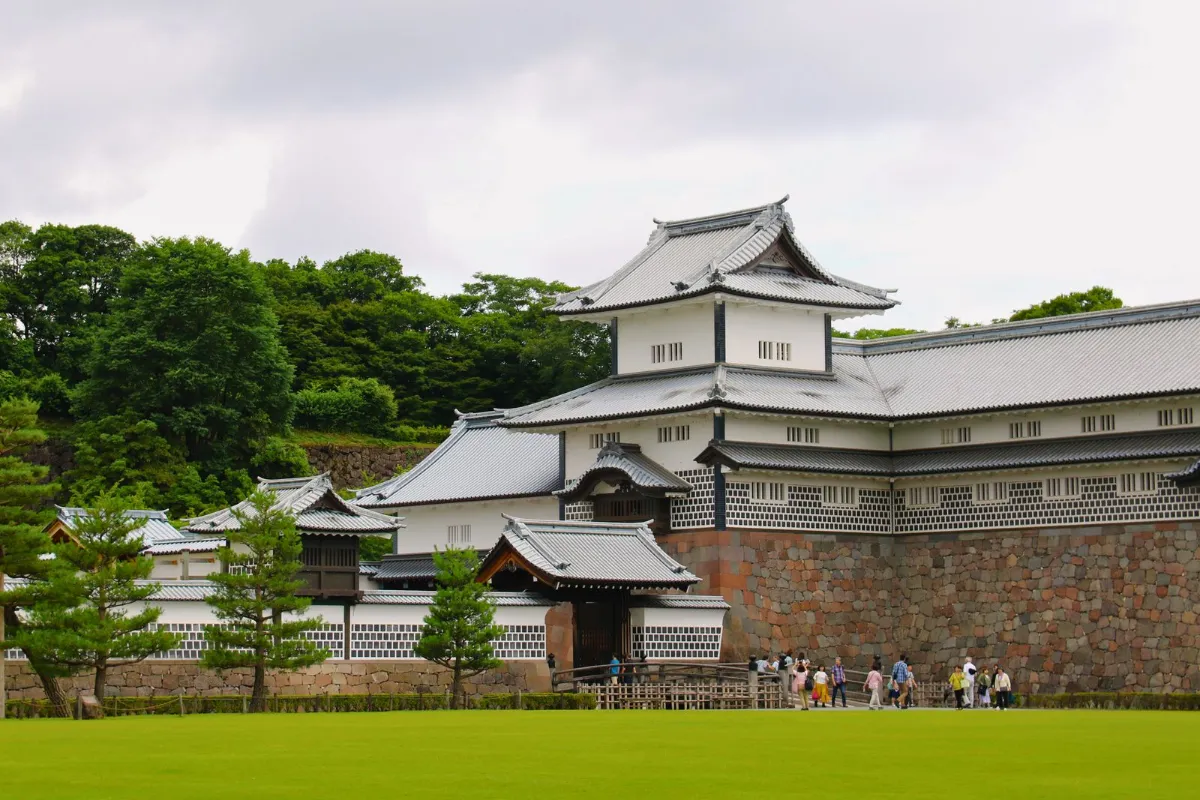
Kanazawa Castle Park
Right next to Kenrokuen, the white walls and lead-tile roofs of Kanazawa Castle look beautiful with snow.
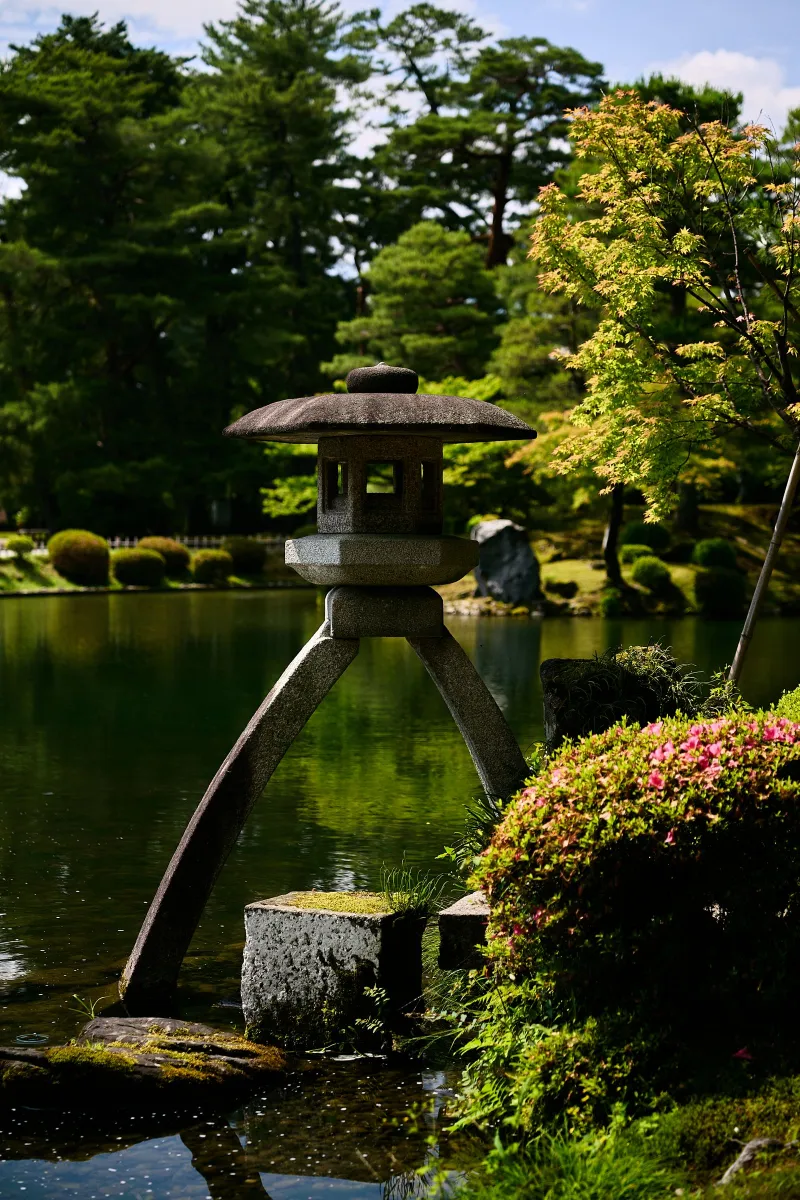
Hanakiki’s photo spot
Hanakiki’s camera note: Go to Kasumigaike Pond in Kenrokuen and find the Kotoji stone lantern, with one leg in the water and the other resting on a stone. With the snow ropes in the background, it’s the most famous view of the garden. Visit during the early-morning free opening for fewer people and soft light.
Event info
| Place | Winter hours (Oct 16 – end of Feb) | Notes |
|---|---|---|
| Kenrokuen Garden | 8:00 a.m. – 5:00 p.m. (last entry 4:30 p.m.) | Open every day. Admission is paid, but free from December 31 to January 3 |
| Kenrokuen early-morning opening | Nov 1 – end of Feb: 6:00 a.m. – 7:45 a.m. (last entry 7:30 a.m.) | Free. Enter from the Hasuike-mon or Zuishinzaka entrance |
- The garden sometimes holds special evening openings. Check the official website for dates.
Official websites
- Kenrokuen (Ishikawa Prefecture): https://shiro-niwa.pref.ishikawa.lg.jp/
- Omicho Market: https://ohmicho-ichiba.com/
Please check the official website for the latest information before you go.
Travel tips
- Go to Omicho early: Popular seafood bowl restaurants have lines by late morning. Many shops close on Wednesdays or some Sundays.
- Rain and snow: Kanazawa has a lot of rain and wet snow in winter. Bring an umbrella and waterproof shoes.
- Easy loop: Kenrokuen, Kanazawa Castle Park, and the 21st Century Museum are all close to each other.
- Market manners: Ask before taking photos of shops and seafood displays.
Book your trip
- Getting there: JR West (trains in western Japan, including Kanazawa): https://www.westjr.co.jp/global/en/
- Getting there: JR East (trains in eastern Japan, including Tokyo): https://www.jreast.co.jp/multi/en/
- Plan your trip: Japan National Tourism Organization: https://www.japan.travel/en/

コメント