Written by Hanana, with photo notes from Hanakiki
Hi, I’m Hanana! New Year’s, or Oshogatsu, is the most important holiday of the year in Japan. Families gather at home, visit shrines, and eat special foods that are full of wishes for the year ahead. Let me introduce the three New Year foods you should know.
At a glance
- What: Traditional foods eaten during the first days of January
- When: Mainly January 1–3 (called sanganichi)
- Where to try them: Department stores, hotels, some restaurants, and shrine food stalls
What to eat & try
Osechi ryori: a box full of wishes
Osechi is a set of colorful dishes packed in layered lacquer boxes called jubako. Traditionally, it was prepared before New Year’s so that no one had to cook during the holiday. Each food has a meaning:
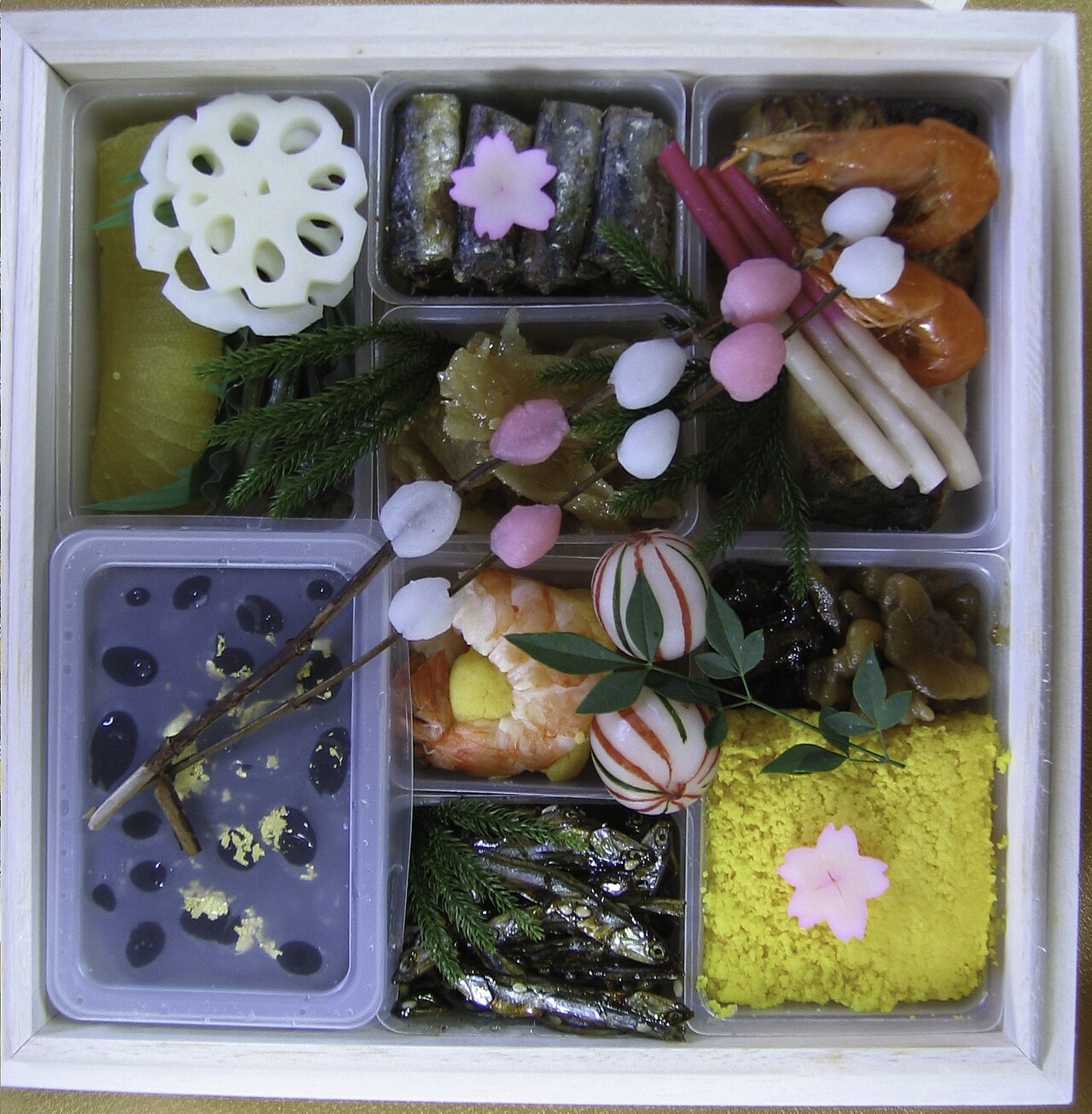
- Kuromame (sweet black beans): For working hard and staying healthy. Mame also means “diligent.”
- Kazunoko (herring roe): Many tiny eggs, a wish for many children and a prosperous family.
- Datemaki (rolled sweet omelet): Shaped like a scroll, a wish for learning and culture.
- Kohaku kamaboko (red and white fish cake): Red and white are celebration colors in Japan.
- Ebi (shrimp): The bent back looks like an old person, a wish for a long life.
- Kuri kinton (mashed sweet potato with chestnuts): Its golden color stands for good fortune.
Try it: Department stores take osechi orders from autumn. Some hotels and restaurants serve osechi-style dishes in early January.
Ozoni: every family’s soup
Ozoni is a soup with mochi (rice cakes) eaten on the morning of New Year’s Day. The fun part is that it changes from region to region and family to family. In much of eastern Japan, it’s often a clear broth with square, grilled mochi. In Kyoto and parts of western Japan, it’s often a white miso soup with round, boiled mochi. Ask a Japanese friend about their family’s ozoni, and you’ll start a lively conversation!
- Safety tip: Every New Year, people in Japan choke on mochi, especially older adults and young children. Cut it into small pieces, sip some soup first, eat sitting down, and chew slowly.
Amazake: a warm drink at the shrine
Amazake is a sweet, thick drink made from rice. One kind is made with koji (rice malt) and has no alcohol; another is made with sake lees and may contain a little alcohol. At New Year’s, many shrines and stalls serve hot amazake to visitors.
Things to try
- Pound mochi at an event: Some shrines, temples, and community events hold mochitsuki, where people pound steamed rice with a big wooden mallet. Visitors can sometimes join in.
- Toast with otoso: On New Year’s morning, some families drink otoso, a spiced sake, for good health. The legal drinking age in Japan is 20.
What to see
New Year’s decorations
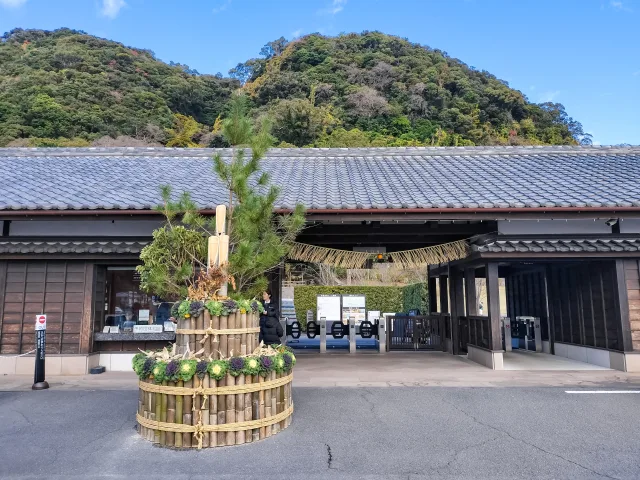
Before New Year’s, homes and shops put up kadomatsu (pine and bamboo arrangements) at their entrances and shimekazari (straw rope decorations) on their doors. They welcome the god of the New Year. Look for them all over town from late December.
Kagami mochi
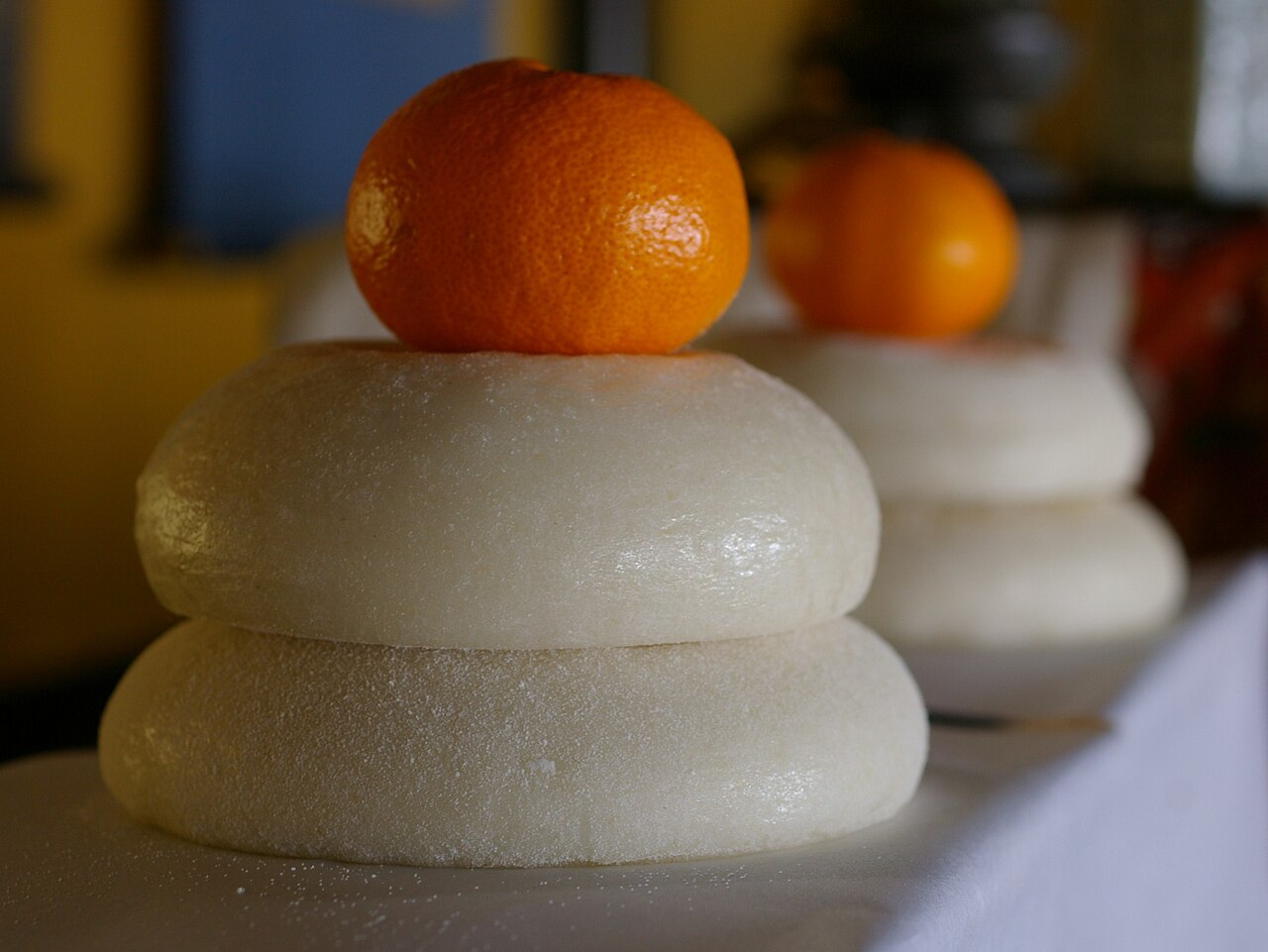
At home, people display kagami mochi, two round rice cakes stacked with a bitter orange on top. It’s usually broken and eaten around January 11 (the date varies by region).
Hanakiki’s photo spot
Hanakiki’s camera note: Department store food halls display sample osechi boxes in December. They’re like works of art! Many stores don’t allow photos inside, so always check the signs first. Kadomatsu at shrine and hotel entrances are easier to shoot. Use the morning light for soft colors.
Event info
- Osechi orders: Many department stores take orders from around October to December.
- Some shops and restaurants close from January 1–3, so check ahead when you plan meals.
For travel information across Japan, see the Japan National Tourism Organization: https://www.japan.travel/en/
Please check the official website for the latest information before you go.
Travel tips
- Many shops close on January 1: Big department stores often open again from January 2 with the famous fukubukuro (lucky bag) sales.
- Holiday schedules: Many lines run on weekend/holiday timetables from around December 30 to January 3. On New Year’s Eve, some lines run late-night or all-night trains, but this changes every year, so check your line’s announcement.
- Greeting: Say Akemashite omedetou gozaimasu! (“Happy New Year!”) to people you meet in early January.
Book your trip
- Rail travel: Japan Rail Pass (official site): https://japanrailpass.net/en/
- Plan your trip: Japan National Tourism Organization: https://www.japan.travel/en/


コメント