
Written by Hanana, with photo notes from Hanakiki
Hi, I’m Hanana! Kamakura was the capital of Japan’s first samurai government about 800 years ago. Today it is a seaside town full of temples and shrines, about an hour from Tokyo. At New Year’s, people come to Tsurugaoka Hachimangu for hatsumode, then walk the old streets and look out over the ocean. And Kamakura’s sea is famous for tiny fish called shirasu.
At a glance
- Where: Tsurugaoka Hachimangu and the old town of Kamakura, Kanagawa Prefecture
- When: January 1–3 is the peak; a pleasant day trip all winter
- Access: About 1 hour from Tokyo Station by JR Yokosuka Line to Kamakura Station
What to eat & try
Shirasu (whitebait)
Shirasu are tiny, young sardines and anchovies caught in Sagami Bay. In Kamakura and nearby Enoshima, you’ll find them served in many ways: kamaage (gently boiled and fluffy), dried, or on a bowl of rice called shirasu-don. The fish are so small that you eat them whole.
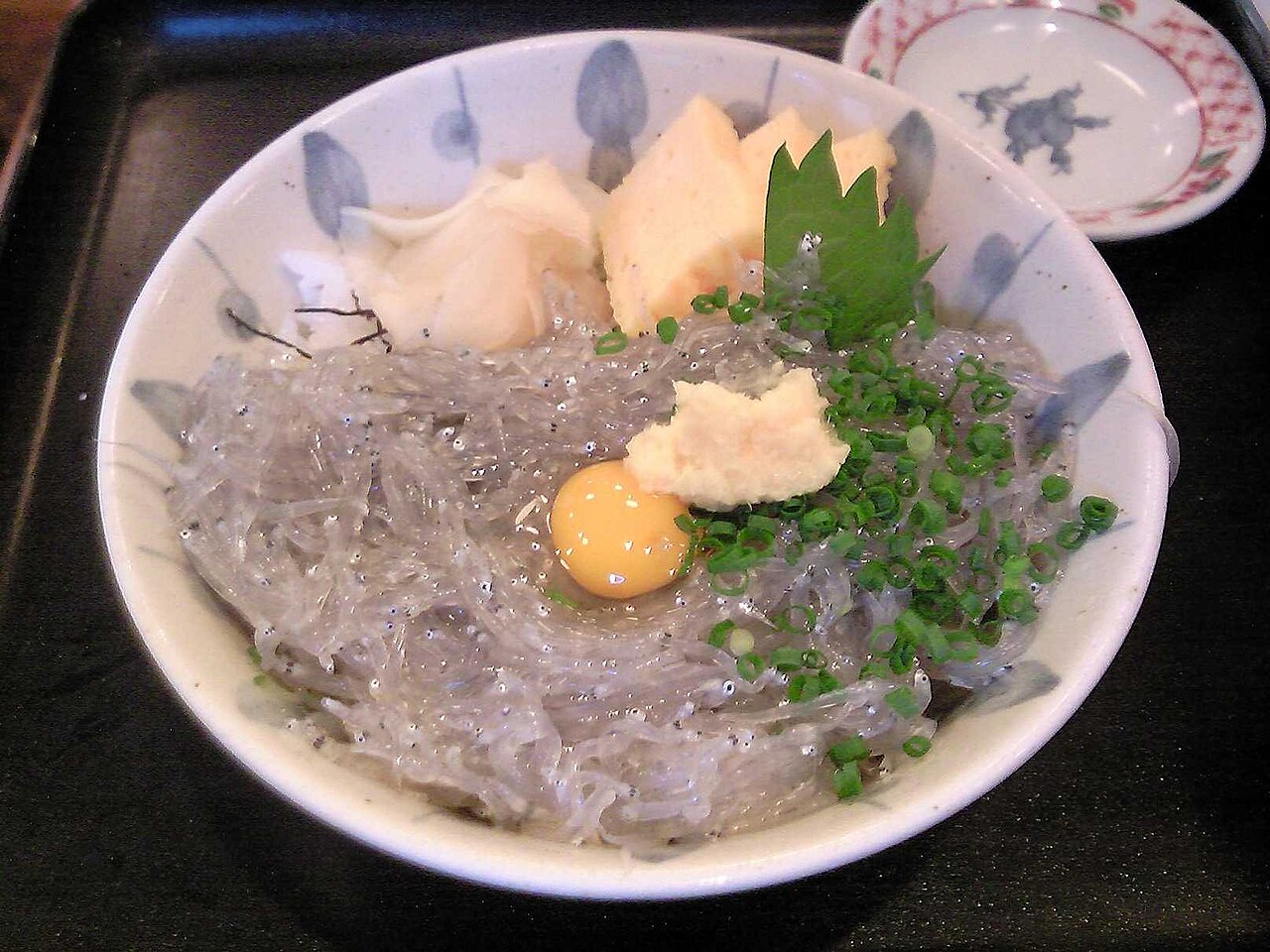
- A seasonal food: Fresh, raw shirasu is a local specialty, but shirasu fishing in Kanagawa is closed from January 1 to March 10 to protect young fish. During that time, look for boiled or dried shirasu, which are available all year.
- Try it on bread: Some bakeries in town sell shirasu toast or rolls, a fun local twist.
Snacks on Komachi-dori
Komachi-dori is a lively shopping street from Kamakura Station toward the shrine. Shops sell rice crackers grilled on the spot, sweet potato treats, matcha sweets, and more, which you can enjoy in front of the shop or at a resting spot before or after your shrine visit.
Things to try
- Rent a kimono: Several shops near the station rent kimono for the day. Walking to the shrine in a kimono at New Year’s is a special experience.
- See the Great Buddha: Take the Enoden train a few stops to see the giant bronze Buddha at Kotoku-in, nearly 800 years old.
What to see
Tsurugaoka Hachimangu
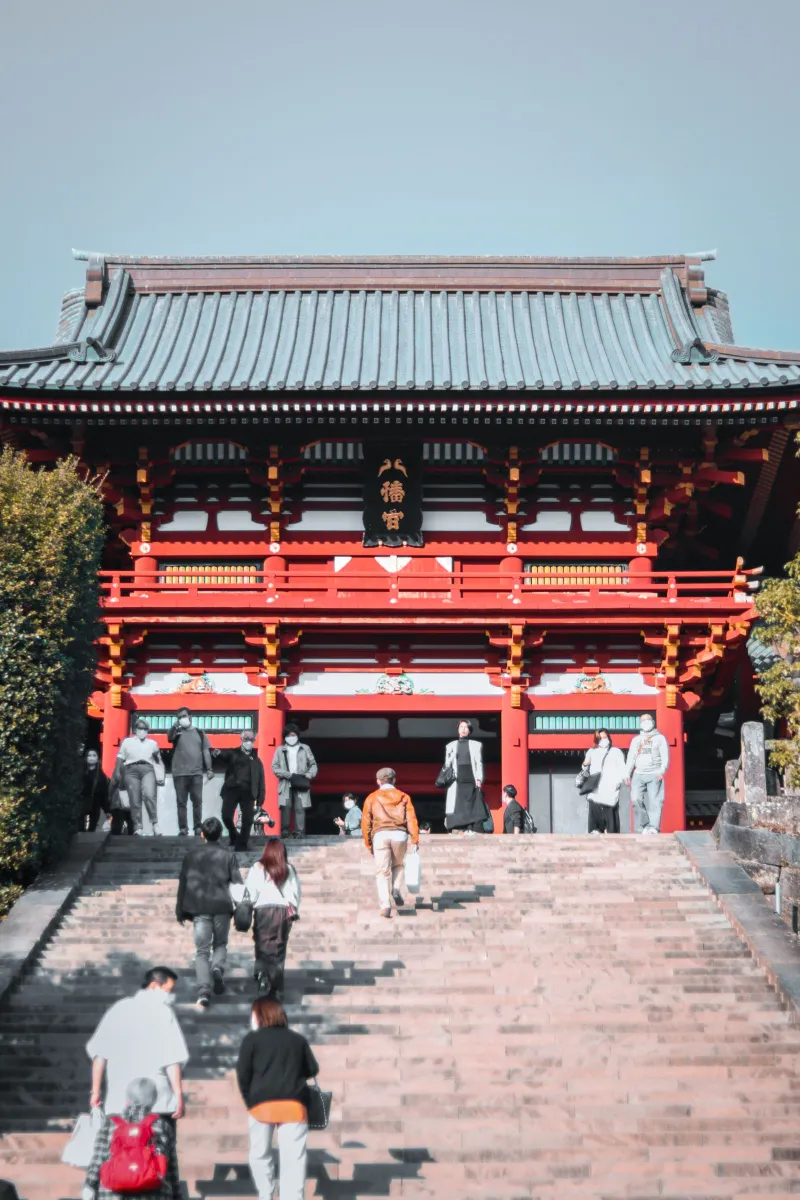
This large shrine was moved to its current place in 1180 by Minamoto no Yoritomo, the founder of the Kamakura shogunate. A long avenue, Wakamiya-oji, runs from the sea to the shrine, and its raised central walkway near the shrine is called Dankazura. At the end of the avenue, the main hall stands at the top of a wide stone stairway.
Yuigahama Beach
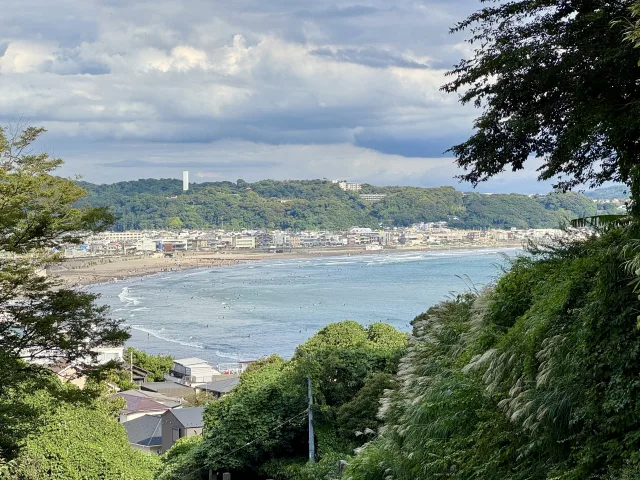
A 15-minute walk south of the station, Kamakura’s beach is quiet in winter. On a clear day, you might see Mount Fuji across the bay, especially in the early morning.
Hanakiki’s photo spot
Hanakiki’s camera note: Climb the stairs to the main hall of Tsurugaoka Hachimangu and turn around. You can see the long straight path running toward the sea. In winter, the air is clear, so it’s a great time to shoot the view. On the beach, try the hour before sunset for a soft, golden sky.
Event info
- Tsurugaoka Hachimangu is usually very crowded from New Year’s Eve night through January 3. The shrine’s New Year hours are announced around December.
- Roads around the shrine are closed to cars on New Year’s Eve night, January 1, and the daytime of January 2–3.
- On busy days, police may set up one-way routes on the main streets.
Official websites
- Tsurugaoka Hachimangu: https://www.hachimangu.or.jp/
- Kamakura City Tourism Association: https://www.trip-kamakura.com/
Please check the official website for the latest information before you go.
Travel tips
- Go by train, but check the last train: Roads into Kamakura are packed at New Year’s. All-night train service on New Year’s Eve is limited and changes every year (in recent years, the JR Yokosuka Line has run a few late-night trains between Yokohama and Zushi; other lines, such as the Enoden, may not run all night). Check the railway’s announcement in December before you plan a midnight visit.
- Visit after January 3: It’s much calmer from January 4 onward.
- Eating-while-walking rule: Kamakura asks visitors not to eat while walking on busy streets. Eat in front of the shop or in a resting area.
- Wear comfortable shoes: Many temples are on hills.
Book your trip
- Getting there: JR East (trains in eastern Japan, including Tokyo): https://www.jreast.co.jp/multi/en/
- Plan your trip: Japan National Tourism Organization: https://www.japan.travel/en/

コメント